
Postion: Home > Our Case > Metal Fabrication >

 CATEGORIES
CNC machining / surface finish guide
Surface finish affects how a machined part looks, fits and performs. Hongming Sheng supports as-machined, bead blasted, anodized and powder coated components according to your drawing, material and application requirements.
Email technical files directly. Use the inquiry form for your contact details and project summary.
| Finish | Typical purpose | Confirm on the drawing |
|---|---|---|
| As Machined | Retain the machined surface without an added coating. | Surface roughness, tool marks, edge condition and functional dimensions. |
| Bead Blasting | Create a matte texture on visible surfaces. | Texture reference, cosmetic areas and features requiring protection. |
| Anodizing | Provide an oxide finish on aluminum, with specified appearance or wear requirements. | Alloy, anodizing type, thickness, color and masking. |
| Powder Coating | Add a colored polymer coating to a suitable metal substrate. | Coating system, pretreatment, thickness, gloss and uncoated areas. |
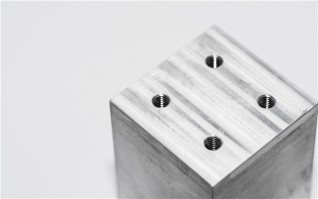
The part retains its CNC-machined surface, and visible tool paths may remain. This option avoids an additional coating when the application does not require one.
Specify: roughness requirements, critical dimensions, deburring and acceptable tool-mark appearance.
Important distinction: an as-machined finish does not automatically mean the highest accuracy. Dimensional and surface requirements still need to be defined.
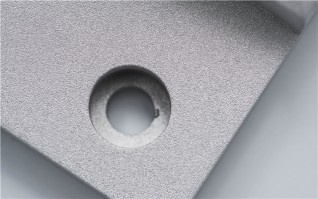
Bead blasting changes the surface texture and can make visible areas appear more uniform. The result depends on the starting surface, media and process conditions.
Specify: a texture reference or approved sample, visible surfaces and areas to protect during blasting.
Consider: blasting should not be assumed to remove every machining mark. Review the required preparation and any subsequent coating.
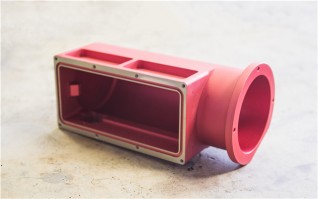
Anodizing converts the aluminum surface into an oxide layer. Type II sulfuric anodizing is commonly selected for protective and decorative finishes; Type III hardcoat is considered for wear-focused applications.
Specify: alloy, type, thickness, color and any required sealing or masking.
Consider: the process affects final dimensions. Bores, threads, mating surfaces and electrical contact areas should be reviewed before machining and finishing.
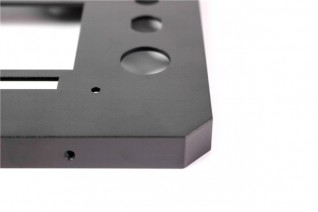
Powder coating adds a cured polymer film to the metal surface. Color, texture and protective performance depend on the selected coating system and application.
Specify: substrate, pretreatment, coating thickness, color reference, gloss and service environment.
Consider: added film thickness can affect fits and threads. Define masked areas and appearance acceptance before production.
Notes such as “black anodized” or “matte powder coat” leave important details open. Include the finish type, appearance reference, relevant thickness requirement and surfaces that must remain untreated.
Confirm the actual alloy or material grade before selecting the treatment.
Identify dimensions that apply after finishing, especially mating features and threads.
Agree on visible areas, color, gloss, texture and sample requirements.
Define required checks and packing protection for finished surfaces.
Hongming Sheng supports prototype and repeat-production projects with machining and finishing requirements reviewed together.
Confidential OEM support: Customer drawings, CAD files and technical specifications are handled confidentially. NDA support is available.
Prev: Laser Cutting Process
Next: Cutting Service

Contact us and just send us your drawing (SolidWorks,ProE,CAD,PDF,DXF...)
Links: Custom Sheet Metal Enclosure Fabrication | Metal Stamping Services | Sheet Metal Fabrication Services | precision cnc machining and milling services | Metal Welding Services | metal Cutting Services | Metal Bending Service | Metal Surface Treatment & Finishing Solutions |