CUSTOM PRECISION STAMPING
Stable Stamping Parts Begin with the Right Tooling Plan
A successful stamping project is not only about pressing metal into shape. Stable production depends on material behavior, die structure, feeding direction, critical dimensions, burr control, and inspection planning.
Hongming Sheng supports custom stamping projects from drawing review and tooling development to trial production and repeat manufacturing.
•80–1,000 ton stamping capacity
•Progressive and custom die support
•Metal parts made from customer drawings
E-MAIL:info@hms1688.com
Send Drawing for Stamping ReviewWhat Type of Stamping Project Do You Have?
New Product Development
You have a new drawing and need help reviewing material, forming risks, tolerances, tooling route, and expected production quantity.
Existing Part Cost Review
You already purchase the part and want to compare tooling structure, material utilization, secondary operations, and production cost.
Production Transfer
You have existing samples or tooling information and need a manufacturer to evaluate repeat production or develop replacement tooling.
Questions to Confirm Before Building the Die
Clarifying the following information early can reduce tooling changes and shorten the path to an approved sample.
01.Is the material grade, thickness, hardness, or temper confirmed?
02.Which dimensions directly affect assembly or product function?
03.Is the burr direction important for assembly or user safety?
04.Does the part require spring force, conductivity, or corrosion resistance?
05.What is the order quantity and expected annual demand?
06.Will the part require plating, heat treatment, welding, tapping, or assembly?
Choosing a Suitable Tooling Route
Simple or Single-Operation Tooling
May be considered for prototypes, lower quantities, basic blanking, punching, or simple forming operations.
Compound Tooling
Can combine selected cutting operations in one press stroke when the part structure and quantity are suitable.
Progressive Die Stamping
Can complete multiple operations through a continuous strip and is generally reviewed for repeat or higher-volume production.
Cost reminder:The lowest tooling price does not always produce the lowest total part cost. Tool life, production speed, material usage, maintenance, and secondary operations should be evaluated together.
Quick Material Guide
Stainless Steel
Used for corrosion-resistant parts, brackets, covers, clips, springs, and components requiring strength or clean appearance.
Carbon Steel and Galvanized Steel
Common for structural brackets, supports, reinforcement parts, mounting plates, and cost-sensitive industrial components.
Copper and Brass
Selected for electrical terminals, conductive contacts, shielding components, heat-transfer parts, and decorative products.
Aluminum
Considered for lightweight parts, electronic products, covers, brackets, and components requiring corrosion resistance.
What Happens During Tool Trial?
The first tool trial is used to evaluate more than the basic part shape. It helps identify the adjustments needed for stable repeat production.
•Check forming condition, cracks, wrinkles, and springback
•Measure agreed critical dimensions and assembly features
•Review burr height and burr direction
•Confirm material feeding and part release
•Record tooling adjustments before sample approval
Keeping Repeat Orders Consistent
Material Control
Confirm the required material grade, thickness, condition, and available certification before production.
First-Part Confirmation
Check agreed critical features before allowing continuous production.
Tooling Condition
Monitor punches, inserts, clearances, feeding, and wear areas during repeat production.
Final Inspection
Verify dimensions, appearance, finish, quantity, assembly condition, and packaging according to the project requirements.
Parts We Can Review
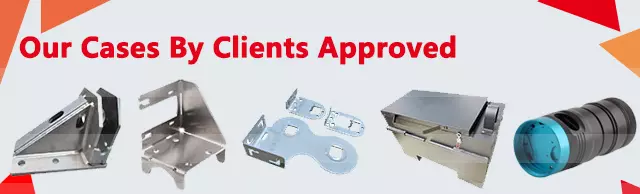
•Automotive brackets, clips, shields, and mounting parts
•Electrical terminals, contacts, connectors, and conductive parts
•Battery contacts, energy-storage brackets, and equipment components
•Electronic shielding, covers, support plates, and internal parts
•Industrial machinery and automation components
Common Stamping Questions
Can you produce parts from a sample?
Yes. Samples can support an initial review, but controlled drawings and confirmed specifications are recommended before tooling and production.
Can you recommend a material?
We can provide manufacturing feedback after reviewing the part function, strength, corrosion resistance, elasticity, conductivity, finish, and cost requirements.
Can one tolerance apply to the whole part?
Not always. Tight tolerances should normally be assigned to functional features. Applying them to every dimension may increase tooling, inspection, and production cost.
Can stamped parts include secondary operations?
Yes. Depending on the drawing, parts can include tapping, machining, welding, riveting, hardware installation, plating, coating, polishing, or assembly.
Send These Details for Quotation
Drawing:STEP, IGS, DWG, DXF, or PDF
Material:grade, thickness, hardness, or temper
Quantity:order quantity and expected repeat demand
Critical features:tolerances, datums, burr direction, and functional requirements
Finish:plating, anodizing, powder coating, polishing, or other treatment
NDA and Design Protection
Customer drawings, CAD files, samples, tooling information, pricing data, and production details are treated as confidential. NDA agreements are available for OEM projects.
Need a Stamping Process Review?
Send your drawing, material, quantity, critical requirements, and surface finish. Our team can review the tooling route and provide quotation feedback.
E-MAIL:info@hms1688.com
Upload Drawing & Get a Quote
 Tel\Wechat\Whatsapp:+86 18818409949
 Address: No. 132, Dongfa Road, Dongkeng Village, Gongming Street, Guangming New District, Shenzhen
 E-MAIL: info@hms1688.com


 TOP