
Postion: Home > Our Case > Enclosure / Case >
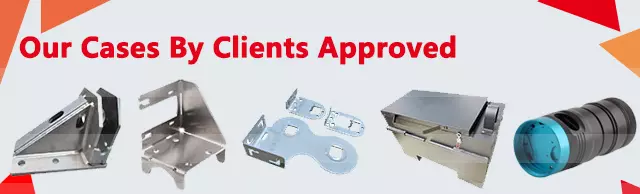
Hongming Sheng manufactures custom terminal housings from customer drawings and module information, with support from sheet-metal fabrication through mechanical assembly.
Email: info@hms1688.com
Send Kiosk Layout for ReviewInclude the enclosure drawing, module datasheets, material, finish, quantity and any critical mounting dimensions.


Before the outer shell is finalized, each device needs a defined position, mounting method and service path.
Confirm active area, outer dimensions, bezel overlap, mounting points and cable direction.
Match the front opening and internal bracket to the actual reader, connector and removal path.
Plan paper outlet, roll or cartridge replacement, service clearance and mounting support together.
Define field of view, working angle, window opening and adjustment access before fabrication.
Use plates, studs, brackets and ventilation zones around the specified control hardware.
Locate hinges, locks, handles and removable panels around the intended maintenance sequence.
A module name is not enough for production. Datasheets or samples help define the true opening, fastener position, cable clearance and replacement space.
Vent patterns, fans and filters should reflect component heat, airflow direction and cleaning access.
Separate moving-door cables from sharp edges and define clamps, pass-throughs and strain relief.
Technicians should be able to reach replaceable modules without removing unrelated hardware.
Review base footprint, wall or floor fixing, center of gravity and transport configuration.
Lock, hinge and panel-overlap choices should follow the customer’s access-control requirement.
Identify visible faces, color, texture, logo areas and acceptable fabrication marks before finishing.
Compare the enclosure drawing with module files, access requirements and critical interfaces.
Produce panel profiles, device openings, ventilation patterns and mounting features.
Form the main shell, doors, internal plates and brackets using the approved bend sequence.
Apply welding, riveting, studs, inserts or mechanical fastening according to the drawing.
Complete powder coating or another specified treatment after preparing the required surfaces.
Install agreed panels, brackets, hinges, locks and hardware; electronics integration follows the defined scope.
We manufacture the sheet-metal structure and agreed mechanical assembly to approved drawings. Software, payment systems, electrical certification, medical-device requirements, cybersecurity and complete-machine regulatory approval remain with the customer or system integrator unless a separate written scope is agreed.
Yes, an early review can begin with overall dimensions and module information. Production still requires an approved drawing that defines the enclosure structure and interfaces.
Depending on the structure, removable panels, bolt-together sections or suitable packaging may reduce shipping volume. Stability and assembly requirements should be reviewed before changing the design.
Mechanical installation can be discussed when parts, instructions and test responsibilities are clearly defined. The quotation should state whether the scope is an empty enclosure, mechanical subassembly or a broader assembly.
Revised drawings should identify the changed openings, brackets, hardware or finish. The effect on flat patterns, bending, welding, tooling and existing material can then be reviewed.
Send the enclosure files together with display, reader, printer, scanner and internal layout information. Our team can review the sheet-metal structure before quotation.
Email: info@hms1688.com
Request Kiosk Enclosure QuoteCustomer drawings, CAD files, samples and technical specifications are handled confidentially. NDA support is available for OEM projects.
Shenzhen Hongming Sheng Technology Co., Ltd. Tel\Wechat\Whatsapp:+86 18818409949
 Address: No. 132, Dongfa Road, Dongkeng Village, Gongming Street, Guangming New District, Shenzhen
 E-MAIL: info@hms1688.com

Copyright©2010-2026 Power by Jim design

 TOP