Progressive DieMultiple operations are completed as strip material advances through successive stations.
Single-Operation DieOne main cutting or forming operation is completed in each press cycle.
Compound DieSeveral cutting actions can be completed at one station for suitable flat components.
Drawing DieFlat sheet is formed into cups, shells or deeper three-dimensional shapes.
How We Select a Tooling Route
Part geometry: bends, draw depth, holes and formed features
Material: grade, thickness, hardness and springback behavior
Quantity: prototype demand, batch size and expected annual volume
Tolerance: critical dimensions, flatness and assembly interfaces
Appearance: burr direction, surface protection and cosmetic requirements
Tooling and Stamping Process
1. Drawing ReviewConfirm material, thickness, quantity, tolerances and functional requirements.
2. Process PlanningDetermine strip layout, forming sequence, die type and secondary operations.
3. Die ManufacturingMachine and assemble tooling components according to the approved route.
4. Trial StampingProduce samples and evaluate dimensions, forming, burrs and surface condition.
5. Sample ConfirmationAdjust the tooling where required before production approval.
6. Batch ProductionManufacture and inspect parts according to confirmed drawings and requirements.
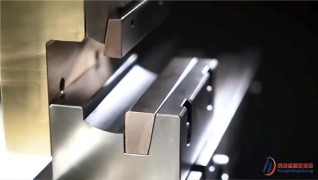
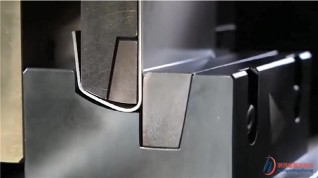
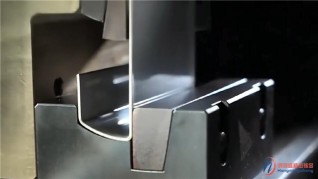
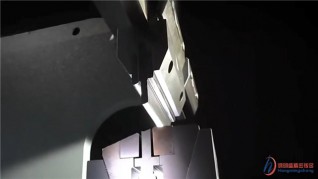
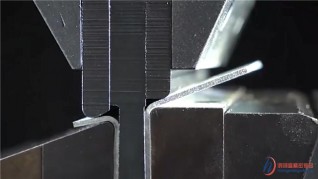
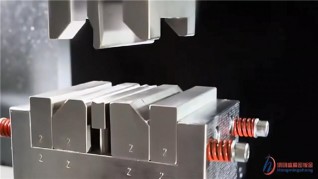
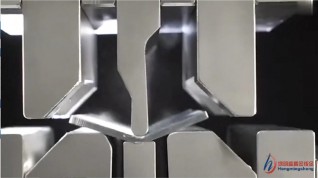
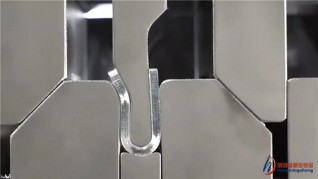
Watch the Tooling Process
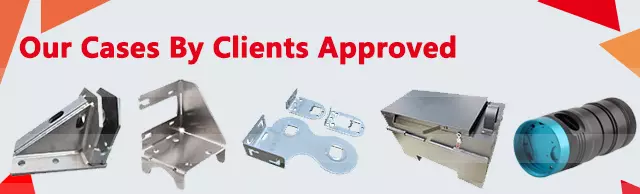
Stamping Die and Part Samples
Materials and Secondary Processes
Stainless SteelStructural and corrosion-resistant stamped components.
Carbon SteelBrackets, clips, plates and industrial hardware.
AluminumLightweight formed parts and enclosure components.
Copper & BrassContacts, terminals and conductive stamped components.
Secondary operations can include tapping, riveting, deburring, welding, cleaning, surface finishing and mechanical assembly, depending on the product.
Quality Checks During Production
Material grade and thickness verification
First-article dimensional inspection
Forming condition, cracks and deformation checks
Burr direction and edge-condition inspection
In-process monitoring for dimensional drift and tool wear
Final appearance and assembly-related checks
If a Complete Drawing Is Not Ready
You may send a sketch, reference photo or physical sample for an initial process discussion. Accurate tooling and production still require confirmed dimensions, material, tolerances and functional requirements.
Information Needed for Quotation
2D drawing and 3D model, if available
Material grade and sheet thickness
Prototype quantity and expected production volume
Critical dimensions, tolerances and burr direction
Surface finish and secondary operations
Assembly, packaging or inspection requirements
Please note: the mobile inquiry page currently collects contact and project information but does not support direct file uploads. Submit the form first, then email drawings or reference files to info@hms1688.com.
Confidential Tooling Development
Customer drawings, samples, die information and manufacturing data are treated as confidential project information. NDA support is available for OEM projects.
Discuss Your Stamping Project
Submit your contact information and project overview, then email the drawing for tooling and manufacturing review.

 Tel\Wechat\Whatsapp:+86 18818409949
 Address: No. 132, Dongfa Road, Dongkeng Village, Gongming Street, Guangming New District, Shenzhen
 E-MAIL: info@hms1688.com

 TOP
TOP